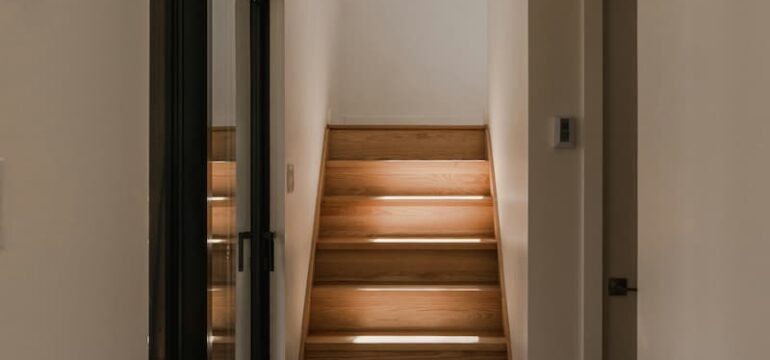

A stair handrail not only ensures safety but also influences the look and feel of your home, tying each level together with purpose and style. With so many materials, styles, and finishes available, choosing the right one can take your staircase from something off the shelf to something personal.
This guide breaks down everything you need to know from regulations to design inspiration, so you can make a confident, informed choice for your home, whether it’s a sleek new build or a character-filled period property.

Why Your Stair Handrail Choice Matters
A handrail serves two purposes: safety and style. Functionally, it’s there to support you and provide balance. Aesthetically, it draws the eye upward and defines the character of your staircase.
The best handrails balance ergonomics, safety, and visual harmony. When well chosen, they become an architectural feature. A subtle line that carries the eye through your space and complements the materials around it.
Understanding Stair Handrail Regulations in the UK
For most staircases, Building Regulations (Part K) recommend:
- Height: Between 900mm and 1000mm along the pitch line of the stairs.
- Diameter: Between 35mm and 50mm to ensure a comfortable, secure grip.
Regulations apply to new builds or major refurbishments, while decorative or replacement handrails in existing homes often sit outside Building Regulations. For further guidance on what applies to your situation, see our detailed article on UK stair handrail regulations.
Common Handrail Materials: Pros and Cons
The choice of material defines both the visual language and the longevity of your staircase. Each carries a distinct mood and level of craftsmanship.
Wood
- Warm, natural, and tactile.
- Ideal for traditional and rustic homes.
- May require re-oiling, waxing or repainting over time.
Wrought Iron
- Strong, sculptural, and timeless.
- Perfect for heritage, industrial, or artisan-inspired interiors.
- Long-lasting with minimal upkeep when properly treated.
Steel or Chrome
- Clean, modern, and minimalist.
- Pairs well with glass balustrades and contemporary design.
- Can show fingerprints or scratches from rings over time.
Glass Combinations
- Offers a light, open feel.
- Best for modern spaces with natural light.
- Requires regular cleaning to maintain clarity.
Choosing well means matching the material to your home’s story, whether that’s rustic warmth or refined modernity.
Choosing the Right Style for Your Space
Form follows feeling. Wall-mounted rails bring simplicity and accessibility, while balustrade options make a statement.
Rounded profiles offer comfort and elegance while flatter or square-edged profiles suit minimalist interiors.
Consider the overall design language in your home:
- Traditional homes: Classic wood or wrought iron detailing.
- Rustic interiors: Matte finishes and natural textures.
- Modern builds: Sleek chrome or dark colours.
- Industrial spaces: Raw iron and visible fixings.
- For cohesion, echo tones and textures from your door handles, bannisters, or light fittings.
Sizing and Positioning Your Handrail
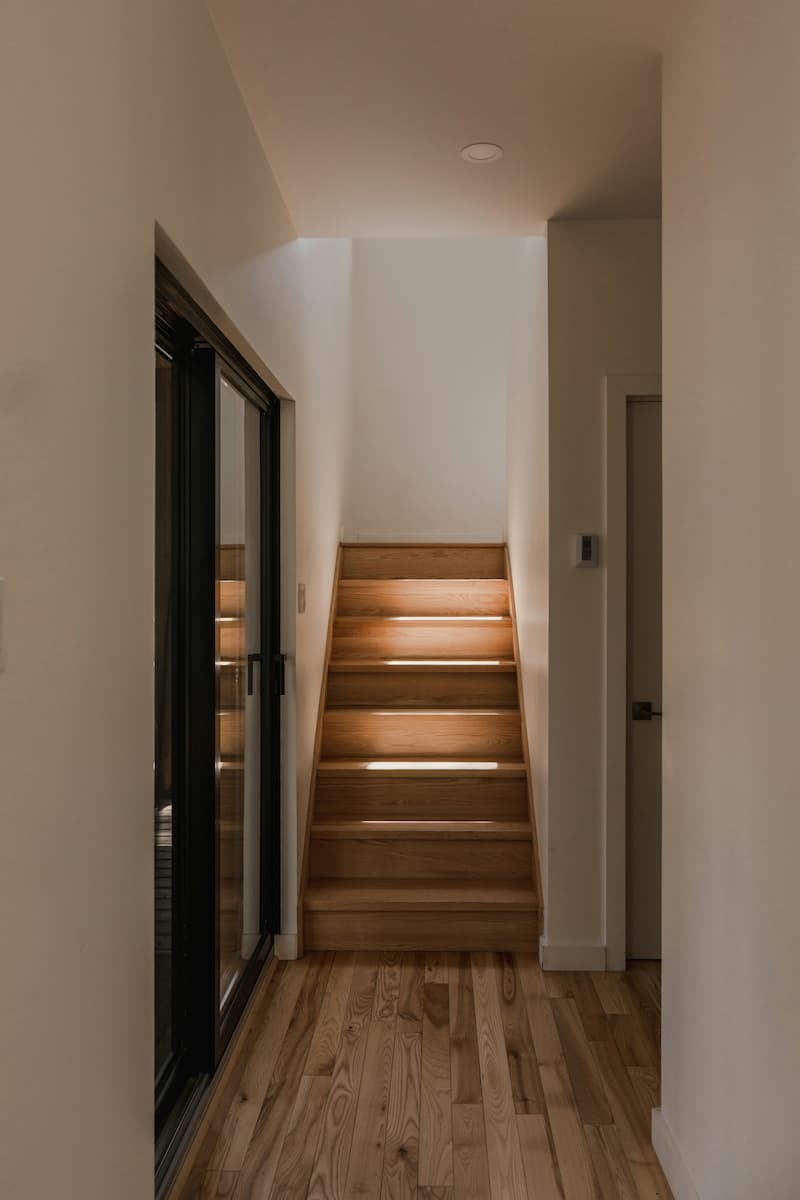
Correct sizing ensures both safety and style. Measure from the stair nosing along the pitch line, ensuring your rail runs continuously from start to finish. Maintain consistent spacing between brackets, usually every 1.2 to 1.5 metres, and allow comfortable wall clearance for a firm grip.
In narrow staircases or angled walls, adjustable brackets or bespoke fittings help achieve a precise, elegant finish. If this applies to you, then talk to us, we’re happy to work with you to create bespoke brackets and fixtures.
Installation Options
Whether you install it yourself or hire a professional depends on material, wall type, and confidence.
- DIY Installation: Suitable for straight runs with pre-drilled brackets and clear fixing points.
- Professional Installation: Recommended for curved staircases, complex bay walls, or irregular mounting.
Different wall types, brick, stud, plasterboard, require the correct fixings to ensure safety and longevity. You can learn more in our handrail measurement and fitting guide.
Maintenance and Longevity
A handrail should age gracefully, developing character over time while remaining sturdy and reliable. The right care depends on the material. Wooden rails benefit from gentle cleaning followed by occasional re-oiling or waxing to maintain their natural warmth and lustre. In some cases, a fresh coat of paint may be needed after several years to restore their finish. Chrome or glass rails, meanwhile, need only a non-abrasive cleaner to retain their clarity and shine.
For metal handrails, a simple wipe with a soft cloth is often enough to keep them looking their best. The human hand has natural oils which invariably pass onto everything we touch and through years of use, the stair rail will take on a natural patina similar to a burnished effect where no rust can appear. In a way, it’s like polishing the surface, yet other areas will remain dark and mysterious. This is the true beauty of wrought iron and our natural processes.
Sustainability is built into longevity; when you choose quality materials and care for them properly, you reduce the need for replacements and ensure your staircase continues to look its best for decades.
Design Inspiration: Making a Statement
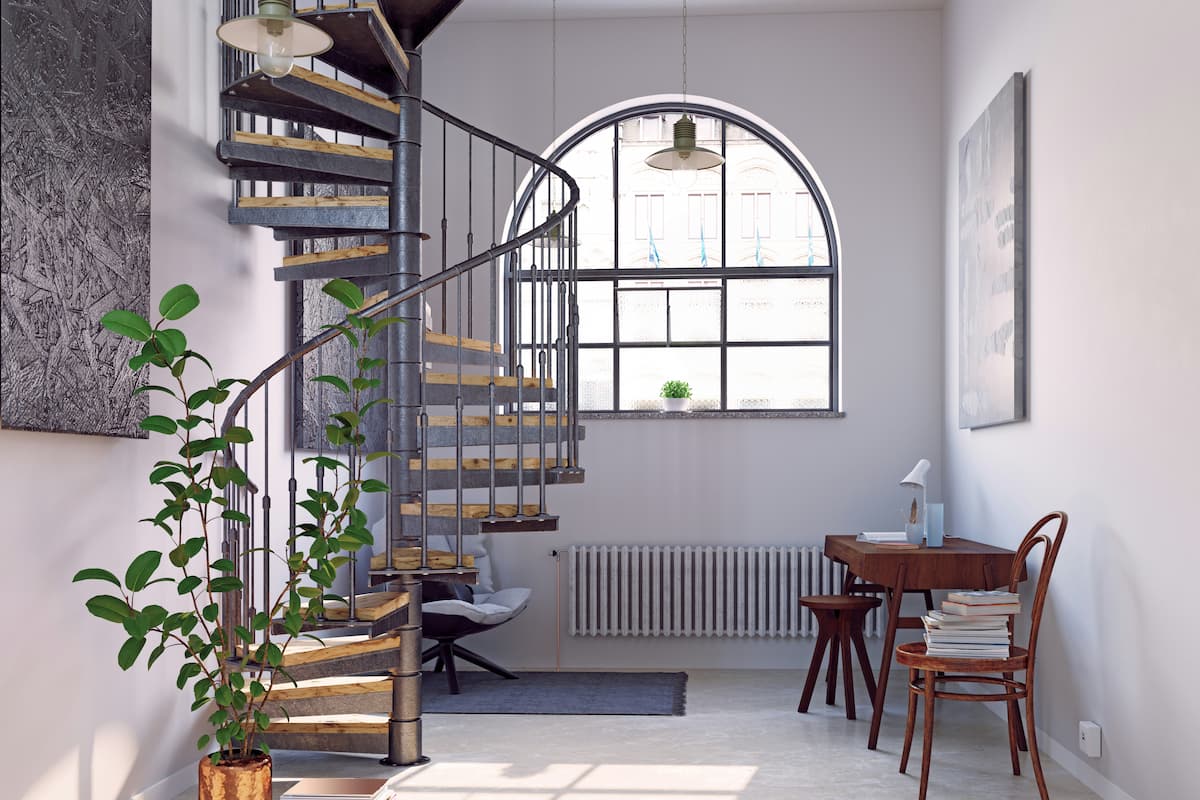
The combination of materials can transform an ordinary staircase into a feature that defines your home’s personality. Rustic oak treads paired with a black wrought iron rail evoke timeless craftsmanship and traditional charm. Clean white stairs with a matt black steel handrail offer a bold, contemporary contrast. For something sleek and modern, floating glass stairs finished with a polished chrome rail create an atmosphere of understated elegance.
Let your materials reflect the way you live – refined and classic, warm and natural, or confidently modern. Whatever your style, the right handrail design brings harmony and balance to your staircase.
Sustainability and Ethical Sourcing
Sustainable choices can be found across all materials and price points. Look for responsibly sourced materials, such as FSC-certified wood or locally forged metalwork.
Handcrafted, long-lasting products are inherently more sustainable than mass-produced alternatives, embodying the principle of “buy once, buy well,”.
Where to Buy or Source a Stair Handrail
Depending on your project, you can explore:
- Specialist metalworkers or blacksmiths for bespoke designs.
- Joiners or carpenters for custom timber handrails.
- DIY and home improvement stores for simple, ready-made kits.
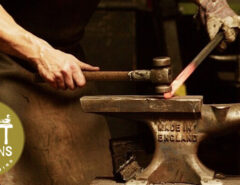
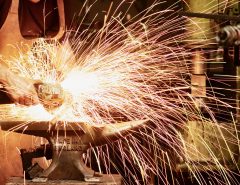
For those seeking artisan craftsmanship and authentic British forging, Made by the Forge creates bespoke wrought iron handrails and fittings made to measure in Suffolk. We combine timeless design with a lifetime guarantee.

The Made by the Forge Take
A well-chosen handrail completes the character of your staircase. From understanding materials and regulations to finding inspiration in texture and form, the journey to the right handrail is as much about expression as it is about safety.
The most enduring choices are those made with care: quality materials, thoughtful design, and respect for how things are made.
At Made by the Forge, we celebrate craftsmanship that stands the test of time, pieces made with integrity, designed to belong, and finished to endure. However you choose to shape your staircase, let it be a reflection of your home’s story and the people who move through it every day.
Leave a Reply
You must be logged in to post a comment.